
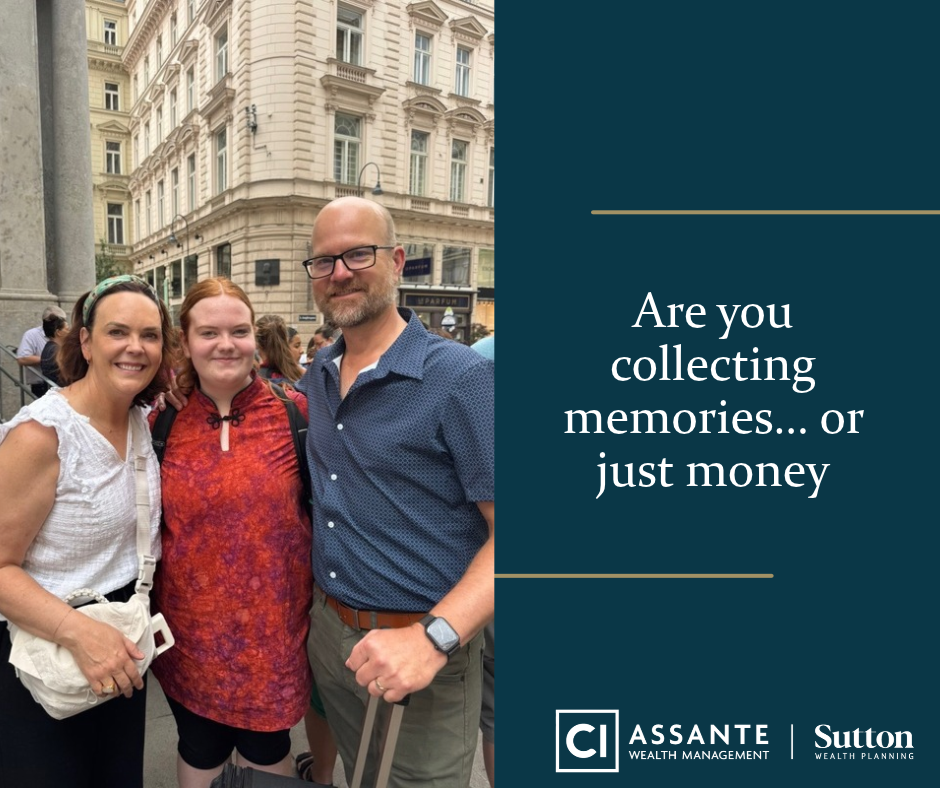
This July, our family had the opportunity to experience something special.
Our youngest daughter, Emmy, travelled to Vienna and Budapest with the Saskatoon Children’s Choir. Keri and I decided to make the trip as well, turning it into a family adventure and a chance to explore two of Europe’s most beautiful cities.
Vienna was filled with history, music, and stunning architecture. Budapest offered spectacular views, incredible food, and the unique experience of watching the city light up along the Danube River at night.
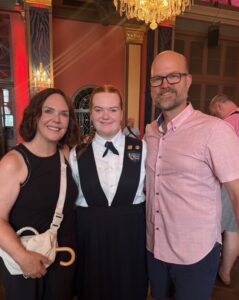 But what struck me most wasn’t the buildings, the museums, or even the scenery.
It was watching our daughter.
For months she had practised, prepared, and invested countless hours into improving her craft. The performances themselves were wonderful, but what made the trip meaningful was everything that came before it. The discipline. The planning. The commitment.
It reminded me of something I often discuss with successful families.
The most valuable experiences in life are often the result of years of preparation.
The ability to say “yes” to opportunities like travelling with family, supporting children and grandchildren, helping causes you care about, or taking that dream vacation is often built long before the opportunity arrives.
Many affluent Canadians spend decades focused on accumulation.
Build the business. Grow the portfolio. Increase net worth.
All important pursuits.
 But eventually an important question emerges: What is all this money actually for?
I have met many people with significant wealth who still struggle to answer that question.
The goal of wealth management is not simply to accumulate more wealth.
The goal is to use wealth intentionally.
To create experiences. To strengthen family relationships. To support meaningful causes. To leave a legacy.
To enjoy the freedom that financial success was supposed to provide in the first place.
The reality is that most people don’t regret not having accumulated slightly more money.
They regret waiting too long to use their resources in ways that mattered most.
The families who experience the greatest peace and fulfillment tend to be those who view wealth as a tool rather than a scorecard.
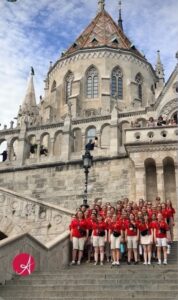 Just as Emmy’s performance was the result of years of preparation, meaningful retirement and legacy experiences require planning long before they happen.
Your investment strategy is important. Your tax strategy is important. Your estate strategy is important.
But they should all support a much bigger purpose:
Helping you live the life you want while creating the impact you want.
So, here’s a question worth considering:
If your financial future was completely secure, what experiences would you pursue more often?
The answer may reveal what’s most important to plan for next.
If you’re unsure whether your wealth plan is designed to support your ideal lifestyle, family goals, and legacy, let’s have a conversation.
Because the purpose of money isn’t simply to grow it.
It’s to use it well.
Wealth is the ability to fully experience life.”
—Henry David Thoreau

